
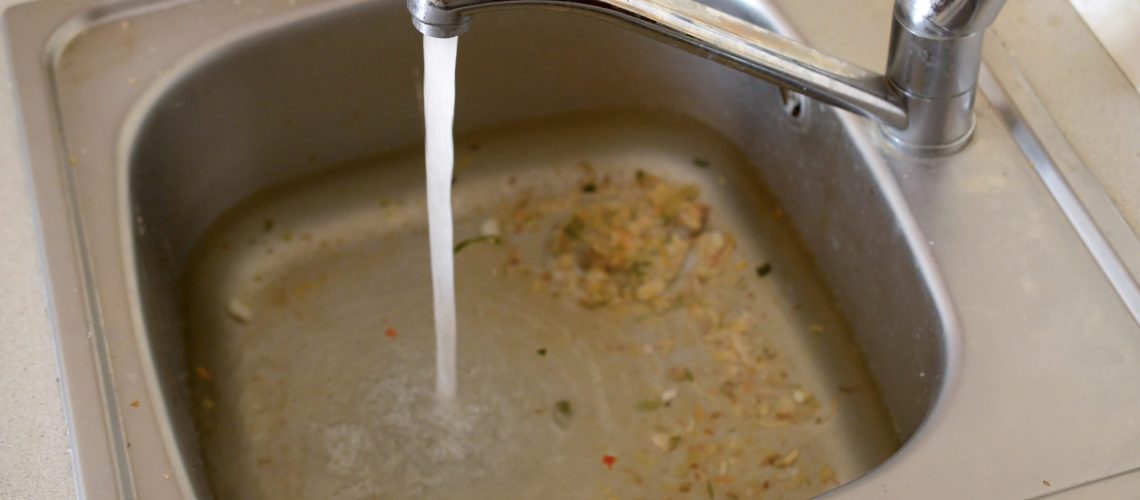
A properly maintained septic system can last for decades, but simple mistakes can lead to expensive repairs, system failures, and unpleasant surprises. Many homeowners unknowingly put their systems at risk by neglecting maintenance or using harmful household habits. Avoiding these common mistakes can help extend the life of your septic system and save you from costly problems down the road.
The Worst Things You Can Put in a Septic Tank
Septic tanks are designed to handle human waste and toilet paper—nothing more. However, many homeowners unknowingly flush or drain substances that can severely damage their systems. One of the worst things you can put in a septic tank is grease or cooking oil. These substances do not break down easily and can solidify, causing blockages in pipes and drain fields.
Harsh chemicals like bleach, paint thinners, pesticides, and antifreeze are equally harmful. These substances kill the beneficial bacteria that break down waste inside the septic tank. Without these bacteria, solids accumulate faster, leading to clogs and costly pump-outs. Additionally, flushable wipes, feminine hygiene products, paper towels, and diapers do not decompose properly and can cause serious blockages. Keeping these items out of your system is essential for its long-term functionality.
Neglecting Regular Pumping
One of the most common septic mistakes is failing to pump the tank on a regular schedule. Over time, solid waste accumulates in the tank, and if it is not removed, it can overflow into the drain field. This leads to clogs, backups, and potential system failure. Most septic tanks need to be pumped every three to five years, depending on household size and water usage.
Waiting too long between pumpings can cause severe damage to your system, resulting in repairs that cost thousands of dollars. Scheduling regular inspections ensures that pumping is done at the right time, preventing unnecessary damage and keeping your system running smoothly.
Overloading the System with Water
Using too much water in a short period can overwhelm your septic system, preventing it from properly treating and dispersing wastewater. Activities like running multiple loads of laundry back-to-back, taking long showers, or using high-flow appliances all contribute to excessive water usage. When too much water enters the tank at once, solids may not have time to settle properly, leading to clogs and inefficient drainage.
To avoid overwhelming your system, spread out water usage throughout the day. Fix any leaks immediately, as even a small, constant drip can add up over time and strain your system. Installing water-efficient appliances and low-flow fixtures can also reduce water consumption and extend the life of your septic system.
Flushing the Wrong Things
A septic system is designed to handle human waste and toilet paper—nothing more. Flushing items like wipes, feminine hygiene products, paper towels, cotton swabs, or diapers can lead to blockages and backups. Even products labeled as “flushable” do not break down as easily as they claim and can accumulate in your system over time.
Household chemicals, grease, and food scraps should never be washed down drains, as they can disrupt the balance of bacteria in your septic tank. These bacteria are essential for breaking down waste, and introducing harmful substances can lead to system inefficiencies. Being mindful of what goes into your septic system prevents unnecessary damage and reduces the need for frequent pump-outs.
Ignoring Drain Field Care
The drain field is a critical component of your septic system, responsible for filtering and dispersing wastewater into the soil. However, many homeowners unknowingly damage their drain fields by parking vehicles, building structures, or planting trees with deep roots over them. These actions can compact the soil, crush pipes, or clog the system, leading to drainage issues and system failure.
To keep your drain field functioning properly, avoid placing heavy objects or planting deep-rooted vegetation near it. Redirect rainwater and gutters away from the area to prevent oversaturation, which can reduce the system’s ability to absorb wastewater effectively. Keeping the drain field clear and well-maintained ensures that your septic system continues to work as intended.
Using Additives as a Substitute for Maintenance
Many homeowners are tempted to use septic tank additives that claim to reduce pumping frequency or enhance system performance. While some products may provide minor benefits, they are not a replacement for regular maintenance. In fact, certain additives can disrupt the natural bacterial balance in your tank, making it less effective at breaking down waste.
Instead of relying on additives, focus on proper maintenance, routine pumping, and water conservation. Septic systems work best when they are treated with care and given the attention they need. Companies like Norway Septic can provide expert guidance on keeping your system in peak condition without unnecessary chemicals.
Ignoring Warning Signs
Septic system issues rarely happen overnight. There are often early warning signs that a problem is developing, but ignoring them can lead to major failures. Slow drains, gurgling sounds in plumbing, sewage odors, and wet spots near the drain field are all indicators that something is wrong.
Addressing these issues as soon as they arise can prevent expensive repairs. If you notice any unusual signs, schedule an inspection immediately. Catching problems early can mean the difference between a minor fix and a complete system replacement.
Contact a Professional
Septic issues? Call Norway Septic Inc. We provide septic tank cleaning, pumping, and replacement parts in Michiana and have 40+ years of experience.


