
Choosing the right septic tank material is one of the most important decisions you’ll make when installing or replacing a system. Each material comes with its own strengths and limitations, and what works for one property might not be ideal for another. The key is understanding how these materials perform so you can make a confident, long-term investment in your home’s septic system.
The Strength and Stability of Concrete
Concrete septic tanks have been the industry standard for decades, and there’s a good reason for that. They’re known for their durability and long lifespan, often lasting 30 to 40 years with proper maintenance. These tanks are heavy, which helps keep them in place underground, even in areas with high water tables or shifting soil.
Because concrete is a rigid, non-flexible material, it is less likely to warp or become damaged during backfilling. Concrete tanks are also less affected by accidental impact from vehicles or equipment. However, they are not without drawbacks. Over time, concrete can crack or corrode, especially if the tank isn’t watertight. Repairs can be more difficult and expensive compared to lighter materials, and installation requires heavy machinery due to the tank’s weight.
The Lightweight Versatility of Plastic
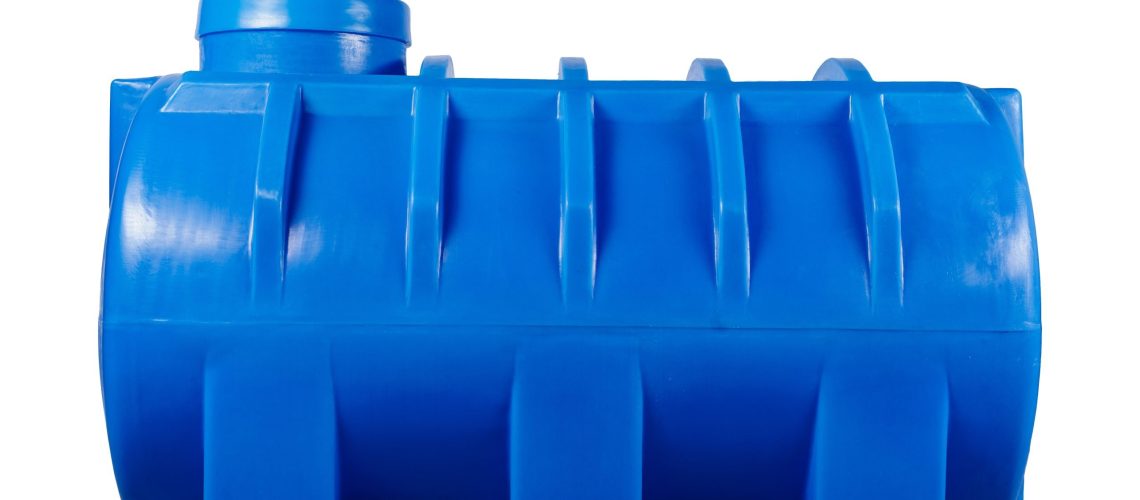
Plastic septic tanks, usually made from polyethylene, are lightweight and easy to transport and install. This makes them an attractive option for remote properties or tight installations where moving a heavy concrete tank is impractical. Plastic tanks are also completely resistant to rust and corrosion, making them a strong contender for areas with acidic soil or groundwater.
Despite their convenience, plastic tanks are more vulnerable to damage during installation and over time. They can warp or crack if the ground shifts or if the tank is not properly backfilled with support. Because they’re so lightweight, they also carry the risk of floating if installed in areas with a high water table. That’s why correct installation is critical to their long-term performance.
The Long-Term Reliability of Fiberglass
Fiberglass septic tanks strike a balance between strength and weight. Like plastic tanks, they’re corrosion-resistant and light enough to be installed without major excavation equipment. However, fiberglass offers more rigidity and structural integrity than plastic, which helps it resist warping and cracking over time.
These tanks are also watertight and less likely to leak, which protects the surrounding soil and groundwater. On the downside, fiberglass tanks can be more expensive upfront and may not be as widely available as concrete or plastic tanks. Still, their resistance to soil pressure, environmental wear, and long-term deterioration makes them a solid option for many homeowners. At Norway Septic, we often recommend fiberglass for installations where soil conditions or accessibility call for a reliable but lightweight solution.
Comparing Lifespan and Maintenance Needs
All three materials can last for decades if properly installed and maintained, but they do vary in maintenance needs. Concrete tanks may need occasional sealing to stay watertight and resist internal corrosion. Plastic and fiberglass don’t require sealing, but they do need careful handling during installation to avoid structural damage.
Over time, all tanks will require pumping and inspection. Plastic and fiberglass tanks may be easier to open and inspect due to their lighter lids and more modern designs. Concrete tanks, while tougher overall, can be harder to service if the lid becomes cracked or if old risers were not installed during the initial setup.
Installation Factors That Matter
The material you choose also affects the installation process. Concrete tanks require more labor, heavier equipment, and stable ground to support the tank’s weight. Plastic and fiberglass tanks are easier to place, especially in hard-to-reach locations. However, they must be installed correctly to avoid shifting, floating, or damage from backfill.
Soil type, water table level, local code requirements, and budget will all influence the final decision. Some areas even have specific rules about which types of tanks are allowed, particularly in zones with environmental sensitivity. That’s why a site assessment and consultation with professionals is always recommended before making your choice.
Matching Material to Your Property’s Needs
Your septic system is not just about convenience; it’s about safety, value, and performance. If your property has stable soil, low groundwater, and easy access, a concrete tank might offer the most lasting value. If your site is remote or challenging to reach, plastic or fiberglass may be a better fit due to their ease of transport and installation.
There’s no one-size-fits-all solution, which is why custom planning is so important. The right tank material should suit your property’s physical layout, match your budget, and align with your long-term expectations. Once installed, the right tank will work behind the scenes for decades with minimal disruption.
Work With the Experts Who Know the Difference
Choosing the right septic tank material doesn’t have to be overwhelming. When you understand how concrete, plastic, and fiberglass compare, you can weigh your options and make an informed decision. It’s not just about what’s cheapest or easiest today; it’s about what will work best over the long haul.
At Norway Septic, we guide homeowners through every aspect of septic system design and installation, including selecting the right tank material. We match each system to the land it serves so you get performance, durability, and peace of mind. No matter which tank you choose, we make sure it’s installed with care and built to last. Let us help you make the right call from the ground up.
Who should you call for septic issues?
Norway Septic Inc. is a service-oriented company dedicated to providing excellent septic tank cleaning and septic tank pumping services to homeowners and business owners in the Michiana area. Call us if you suspect problems with your septic system or if you need septic replacement parts like septic filters. With over 40 years of experience, we know septic systems and can handle just about any septic emergency.


