
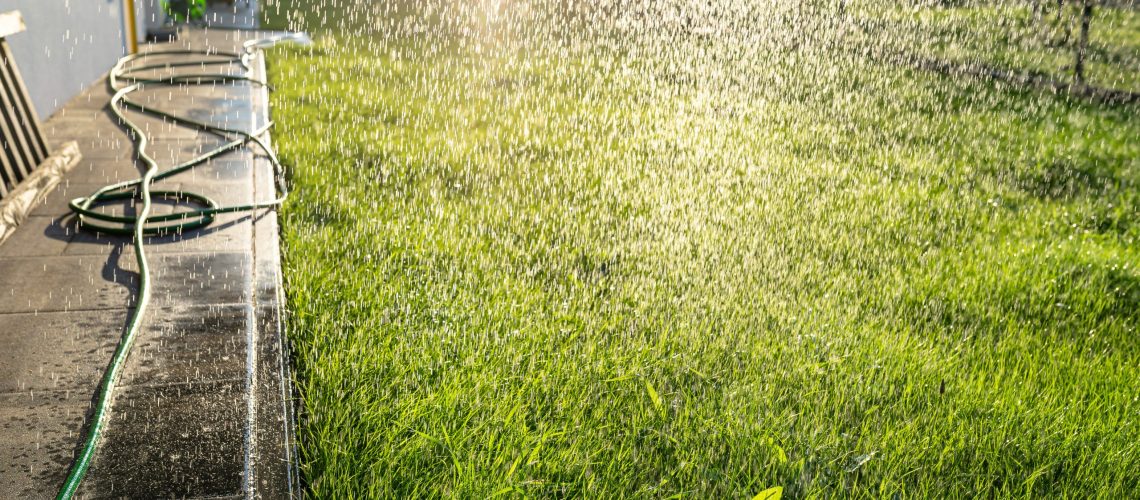
Rainwater is a gift from the sky, but understanding how it interacts with your septic system is essential for every homeowner. While your septic system is designed to handle wastewater from your home, stormwater presents unique challenges. Learning how to manage rainwater can protect your system, your property, and your peace of mind.
Understanding How Rainwater Affects Septic Systems
A septic system is built to process the water coming from inside your home, not sudden surges of stormwater. Household wastewater flows steadily through your septic tank and into the drainfield, where soil filters and treats it. Rainwater is different because it can arrive in large volumes, quickly saturating the ground and overwhelming the system if it finds a way inside.
When rainwater enters a septic tank through damaged lids, open cleanouts, or poor yard drainage, it can disrupt the natural treatment process. The bacteria inside the tank work best with a balance of solids and liquid. Excess rainwater dilutes this environment, which can lead to solids slipping into the drainfield, causing clogs and long-term performance issues.
The Role of the Drainfield in Wet Conditions
Your drainfield is the heart of the septic system, quietly managing wastewater below the surface. It relies on unsaturated soil to absorb and filter effluent at a steady pace. After a heavy rain, the soil can become saturated, leaving little room to handle the water, which can affect your septic tank. This is why system placement and drainage design are so important during installation.
If your drainfield remains waterlogged, effluent can rise to the surface or back up into your plumbing. Persistent soggy spots or foul odors in the yard are early warning signs that your drainfield is struggling under wet conditions. Protecting the drainfield from excess rainwater keeps the system efficient and prevents damage that can be expensive to repair.
Using Rainwater in Your Home
Rainwater collection systems can be a great way to conserve water, but they still affect your septic system if the water is used indoors. When rainwater is routed to toilets, laundry machines, or sinks, it ultimately flows into the septic tank as part of normal wastewater. If your system is properly sized and in good condition, it can usually handle this additional flow without trouble.
However, problems arise if your household water usage increases dramatically without adjusting the septic system. A smaller or older system may become overloaded, leading to backups or reduced efficiency. At Norway Septic, we evaluate both water usage and system capacity to ensure your septic setup can handle the demands of modern living, including rainwater reuse.
Keeping Rainwater Out of the System
The key to a healthy septic system is preventing rainwater from entering in the first place. Roof gutters, downspouts, and sump pumps should all direct water far from the tank and drainfield. Yard grading should allow water to flow naturally away from these sensitive areas, reducing the risk of flooding or soil saturation that could compromise your system.
Regular inspections are just as important. After a heavy rain, check your property for standing water near the drainfield or tank. Watch for slow drains or gurgling pipes inside the house, which could signal that your system is under stress. Acting quickly to address drainage problems will save you time, money, and frustration in the long run.
Protecting Your Septic System During Storms
Heavy rainstorms can test even the best septic systems. When the soil is saturated for long periods, the drainfield cannot absorb water efficiently, which may cause effluent to linger in the tank or seep to the surface. Limiting water use during and after major storms can help give your system time to recover and prevent overload.
If your property frequently experiences flooding or poor drainage, consider upgrading your system or improving your landscaping. Redirecting rainwater and ensuring the drainfield stays dry are investments that pay off by extending the life of your septic system. Proactive care makes all the difference in preventing avoidable breakdowns and costly repairs.
Plan for Long-Term System Health
Managing rainwater is part of owning a septic system. A thoughtful plan that keeps stormwater out of the tank and away from the drainfield ensures your system works efficiently for years. Every step you take to protect your system adds value to your property and keeps your home running smoothly.
When you are ready to make sure your septic system is performing at its best, reach out to the experts at Norway Septic. We help homeowners assess risks, plan improvements, and maintain systems that stand up to heavy rain and changing seasons. With the right care and guidance, your septic system can thrive in any weather.
Contact Us Today
Call us if you suspect problems with your septic system or if you need septic replacement parts like septic filters. With over 40 years of experience, we know septic systems and can handle just about any septic emergency.


