
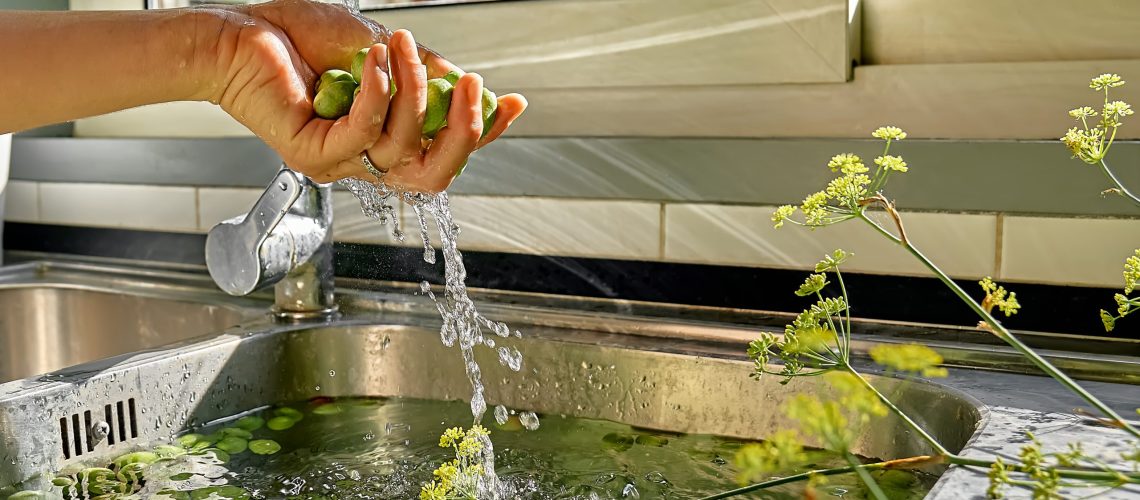
Recycling greywater is a practical and environmentally friendly way to reduce water waste and make better use of household resources. Greywater refers to gently used water from showers, sinks, bathtubs, and washing machines—essentially any wastewater that does not come from toilets. Instead of letting it flow into the sewer or septic system, greywater can be repurposed for irrigation, toilet flushing, and other non-drinking uses. Proper greywater recycling can help homeowners conserve water, lower utility bills, and support sustainable living.
How to Repurpose Greywater
Greywater can be repurposed in several ways, with irrigation being the most common and beneficial use. When properly managed, it provides a steady supply of water for plants, reducing dependence on fresh water. Homeowners can divert greywater from washing machines or bathroom sinks directly to their gardens, where it nourishes trees, shrubs, and ornamental plants. However, it is important to use biodegradable and non-toxic soaps to ensure that plants remain healthy.
Another way to repurpose greywater is by flushing it in the toilet. This requires a separate collection and filtration system, but it can significantly reduce household water consumption. Some homeowners also use greywater for outdoor cleaning tasks, such as washing driveways, patios, and garden tools. While greywater is not safe for drinking or cooking, it offers multiple practical uses that can cut water waste without compromising hygiene or safety.
How is greywater recycled?
Greywater recycling systems vary in complexity, from simple bucket collection to advanced filtration units. The easiest method involves manually collecting water from bathtubs or sinks and using it immediately for irrigation. While this approach is cost-effective, it requires effort and consistency.
A more efficient method involves redirecting greywater through plumbing modifications. Some homeowners install a laundry-to-landscape system, which diverts washing machine water directly to their yard without requiring storage or filtration. Others opt for a branched drain system that distributes greywater underground to nourish trees and plants more evenly.
For those looking for a more advanced solution, greywater treatment systems use filtration and disinfection processes to clean the water before reuse. These systems allow for safer storage and expand the possibilities for greywater use beyond irrigation. Although they require an upfront investment, they provide a long-term solution for households aiming to maximize water efficiency.
What are the best practices for greywater recycling?
Effective greywater recycling requires mindful management to prevent contamination and ensure efficient use. The first rule is to use greywater immediately or within 24 hours to prevent bacteria buildup and unpleasant odors. Standing greywater can become a breeding ground for harmful microorganisms, making it unsafe for reuse.
It is also essential to distribute greywater properly. When used for irrigation, it should be directed to the soil rather than sprayed onto plants, especially edible crops. Drip irrigation or underground dispersal methods are the safest and most effective ways to use greywater in gardens. Additionally, homeowners should avoid using greywater on acid-sensitive plants, as soap residues can alter soil composition over time.
Are there any restrictions on greywater use?
Before installing a greywater recycling system, homeowners should check local regulations, as some areas have strict guidelines regarding water reuse. Health and environmental agencies may have specific filtration, storage, and dispersal requirements to ensure public safety and prevent groundwater contamination. In some cases, permits may be required for more complex greywater systems.
Another important consideration is the type of household products used. Many conventional soaps, detergents, and cleaning agents contain chemicals that can harm plants and soil. Choosing biodegradable and phosphate-free products ensures that greywater remains safe for reuse and does not disrupt the natural environment.
What are the benefits of greywater recycling?
Greywater recycling offers numerous benefits, starting with significant water conservation. By repurposing used water for irrigation and other non-potable purposes, households can reduce their overall water consumption and lower monthly bills. This practice is especially beneficial in drought-prone regions where water restrictions are common.
Beyond financial savings, greywater reuse supports a more self-sufficient and eco-friendly lifestyle. It reduces the strain on municipal water supplies, minimizes wastewater production, and contributes to a more sustainable future. Additionally, homeowners with septic systems can extend the lifespan of their drain fields by diverting greywater, reducing the overall load on their system.
Contact a Professional
Septic issues? Call Norway Septic Inc. We provide septic tank cleaning, pumping, and replacement parts in Michiana and have 40+ years of experience.


